Dental Veneers
Table of Contents
Toggle
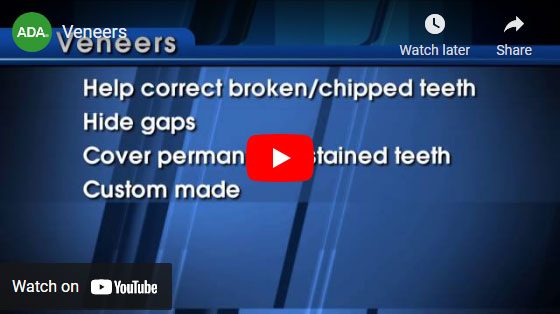
What Dental Flaws Can Veneers Fix?
- Broken or chipped teeth
- Discolored or stained teeth
- Teeth with gaps or crowding
- Decayed teeth
- Ill-developed teeth
Glendora Dental Veneers
A patient can choose from a variety of different styles of veneers. The most common veneer is made from porcelain material. This involves the patient receiving a dental impression of their teeth to be used by the dental lab in creating the shell so that it is custom made to the patient’s needs.
The other choice that patients have is a type called composite veneers. These are generally less expensive compared to the porcelain material and does not involve taking a patient’s teeth impressions. The surface of your teeth will be prepared for the application of the resin material to the surface. This treatment is normally completed in one day and repairs to the composite kind are relatively easy with the re-application of the resin material.
How Are Porcelain Veneers and Composite Veneers Different?
Benefits of Dental Veneers
- Veneers can fix cracks and chips in teeth to reveal a more polished smile.
- Damaged teeth can be embarrassing and cause low self-esteem. Get the teeth you’ve always dreamed of and be confident in your smile.
- Porcelain veneers are customized to each patient’s teeth to ensure a perfect, comfortable fit.
- Veneers improve the appearance, strength and resilience to teeth.
What to Expect
Read more reviews on
Dental Veneers FAQs
Porcelain veneers cost between $1,000 and $2,500 per tooth, depending on the level of customization. A set of 6 to 8 veneers usually costs between $ 9,000 and $ 15,000. Composite veneers are usually less costly, ranging from $500 to $1500 per tooth.
Dental veneers can be an excellent cosmetic solution for people with the following concerns:
● Cracked or chipped teeth
● Deep stains of discoloration that do not respond to whitening
● Misshapen teeth or teeth of irregular length
● Exposed teeth roots
● Minor gaps between the teeth
● Minor misalignment
However, to be a good candidate for dental veneers, you also need to have good periodontal health (healthy gums), healthy tooth enamel, and overall good oral health, with no active decay or cavities. Additionally, people who get dental veneers need to commit to a thorough daily oral hygiene routine.

The longevity of dental veneers depends on the materials they are made of, your oral hygiene routine, and dietary and lifestyle habits. Most modern dental veneers are made of porcelain, a stain-resistant and durable material. With proper care, porcelain veneers last for 10 to 15 years. Resin-composite veneers typically last 5 to 7 years. Smoking, insufficient oral hygiene, and bruxism can decrease the longevity of your veneers.
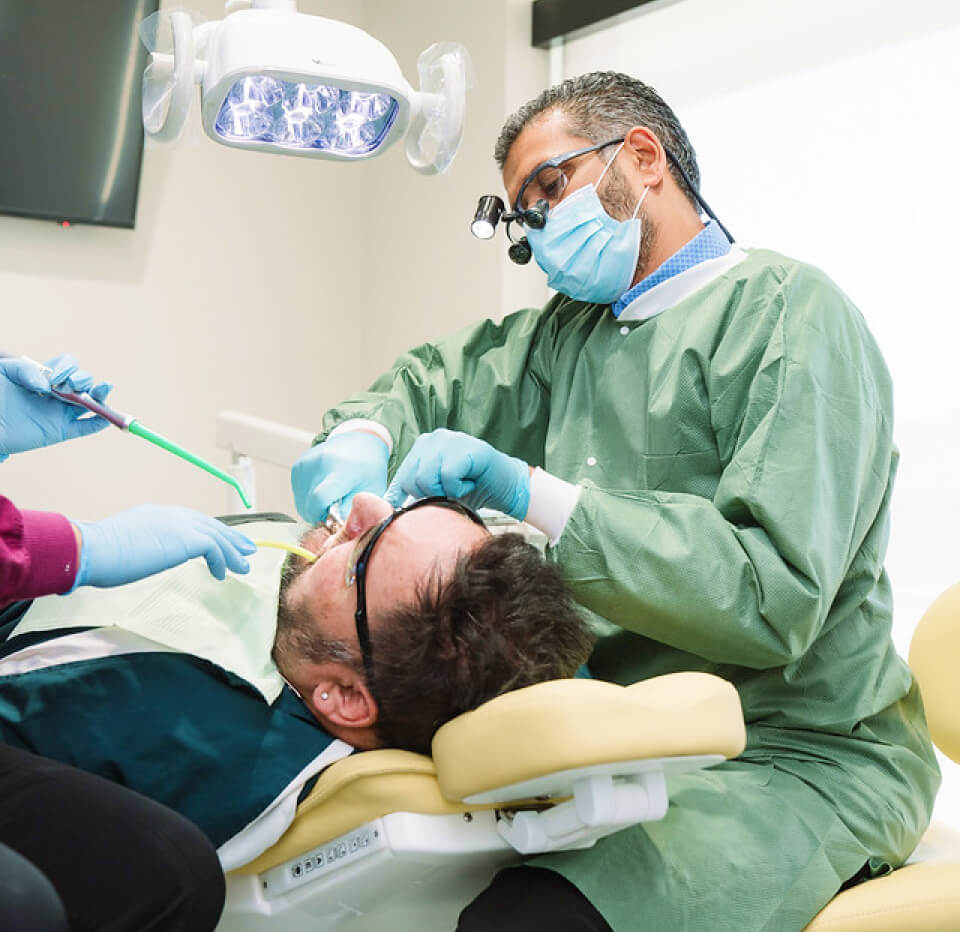
Typically, you can get dental veneers in two to three dental visits. During the first visit, your dentist will make impressions of your teeth and bite, prepare your teeth (file down the enamel), and apply temporary veneers. Once your custom veneers are ready, they will be bonded to your teeth to ensure a comfortable fit.
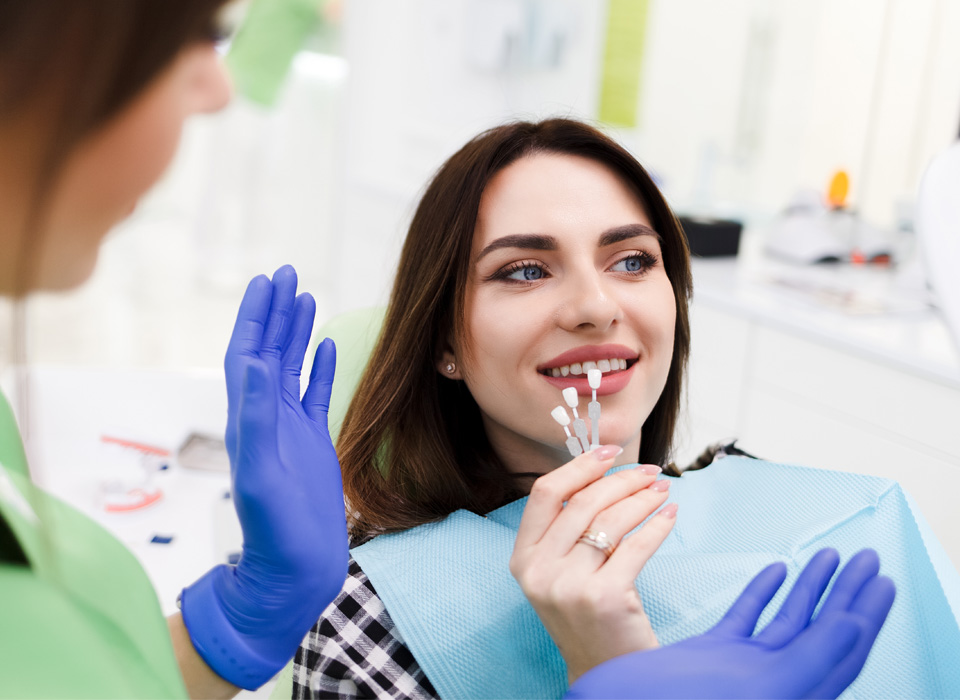
High-quality porcelain veneers look natural, mimicking the slight translucency and light reflectivity of natural teeth. Additionally, a skilled technician adds tiny irregularities to the shape and surface of veneers, as our natural teeth are never perfectly uniform. Also, to avoid your veneers looking fake, we recommend choosing a shade that matches your skin tone and age and avoiding strikingly white veneers.
Veneers do not directly damage your teeth, so your natural teeth will remain alive, healthy, and functional underneath them. However, it is important to understand that, to fit veneers, your dentist will need to remove some of your teeth’s enamel. This is a permanent alteration, as enamel cannot grow back. Our teeth can not survive without their enamel, and once it is filed down, you will rely on veneers as a protective layer. This means that you will need to wear veneers or crowns for the rest of your life.
Dental veneer care does not differ from the care of natural teeth. The main rule is to maintain excellent oral hygiene by brushing your teeth with fluoride toothpaste twice a day and flossing every evening. Additionally, it is recommended to avoid staining foods and beverages, abstain from smoking, and wear a mouth guard if you play contact or extreme sports.
Veneers are an excellent solution for chipped and stained teeth. A veneer covers the entire front surface of a tooth, completely masking imperfections. When it comes to fixing crooked teeth, veneers can improve appearance, but they are typically most effective for minor issues. If your teeth are severely crooked or crowded, we recommend an orthodontic treatment that offers a permanent solution and benefits your oral health.
We are proudly associated with