Dental Bridges
Table of Contents
Toggle
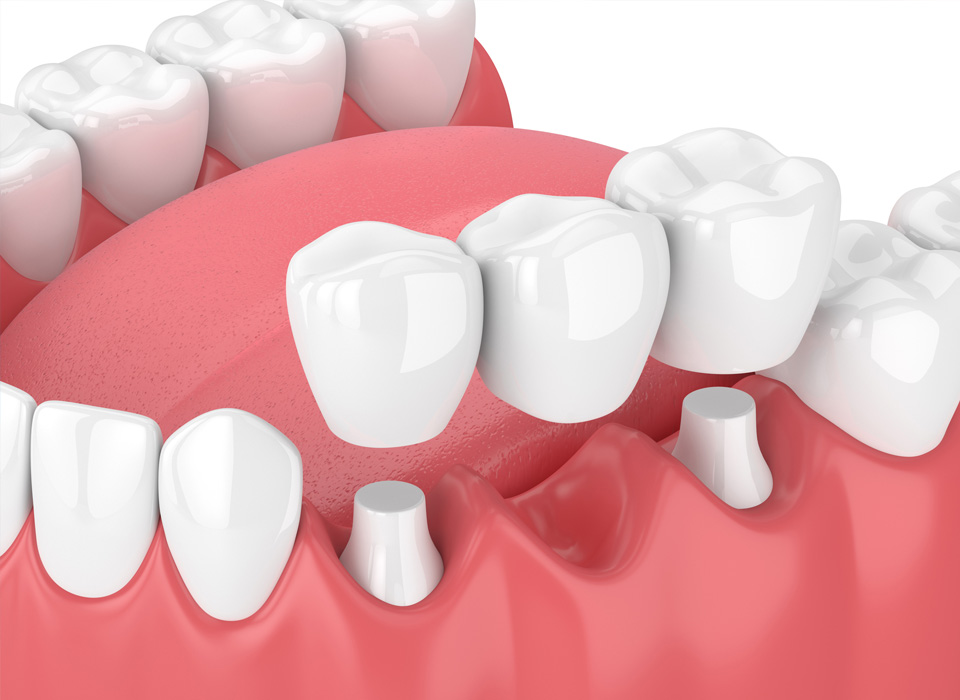
Dental bridges are restorative dental products mainly used to replace missing teeth. Dental bridges are often times compared to other cosmetic restorative products such as dentures and dental implants. When you have missing teeth, it can severely impact not only your aesthetic features, but also cause other damaging effects such as misalignment of the teeth, TMJ, and even gum disease or periodontal disease.
Missing a tooth means your mouth and jaw do not get the required support. Many who have missing teeth at the back of their mouth do not bother to treat it.
Dental Bridges Glendora
Dental bridges are often used when there are a consecutive number of teeth that are missing from a patient’s mouth. Once examined by your Glendora dentist, you will be provided with treatment options based on which teeth are missing and if they are consecutive of each other. If teeth are missing in a consecutive fashion, Glendora dentist Dr. Desai will generally suggest a dental bridge to close the gap of the missing teeth.
With proper diagnosis and treatment dental bridges can restore a healthy bite, maintain the face contour, and reduce the damage of your remaining teeth. With expert dentist services, you can restore your self-confidence and smile. Call our Glendora dental office today to make that appointment.
Dental Bridges FAQs
Traditional dental bridges supported by two adjacent teeth cost between $2,000 and $5,000, depending on the material and complexity of the work. Cantilever bridges supported by only one natural tooth cost between $2,000 and $4,000. Maryland bridges bonded to the back of the adjacent teeth instead of being supported by crowns like traditional bridges cost between $1,500 and $2,500. Implant-supported bridges involve a more complex preparation and surgery, and cost between $5,000 and $15,000. The final price of your bridge will also depend on how many teeth you need to replace.

Traditional dental bridges are recommended to people who are missing one, two, or a maximum of three teeth in a row, with healthy natural teeth on both sides of the gap that will support the bridge. In some cases, people who need to replace only one front tooth can have a cantilever bridge, supported by one natural tooth instead of two. Additionally, you need to have good gum health. If you are getting implant-supported bridges, sufficient jawbone density is required.
Overall, dental bridges last from 7 to 15 years, depending on the type of your bridge, your oral health, and your oral health care routine. Traditional bridges made of porcelain or zirconia tend to last longer, while implant-supported bridges can last for decades.
Dental bridges provide more stability and chewing power compared to removable dentures. Even though dental implants are considered superior in function and longevity to bridges, the latter can be a great solution for people who cannot have implants due to oral or general health considerations.
The main types of dental bridges include:
- Traditional bridges are supported by two natural teeth adjacent to the gap and are a great option for replacing molars and premolars.
- Cantilever bridges are supported by only one adjacent natural tooth and are mostly chosen for replacing front teeth that do not actively participate in chewing food.
- Maryland bridges are bonded to the adjacent teeth with metal or ceramic wings extending from the artificial tooth and are also primarily chosen for replacing front teeth.
- Implant-supported bridges rest on dental implants surgically inserted into the jawbone.
Dental bridges do not damage adjacent teeth. However, since traditional bridges are supported by adjacent teeth, they will need to withstand more pressure applied by chewing. As a result, the supporting teeth can wear out faster, especially if your oral health care routine is insufficient or you eat a lot of hard and crunchy foods. If you have implant-supported bridges, the adjacent natural teeth will be unaffected by your bridges.
The best way to care for your dental bridge is to establish an effective daily oral hygiene routine. You should brush your teeth twice a day for two minutes and floss thoroughly every evening, paying special attention to cleaning under the bridge. We recommend adding a water flosser to your routine to help dislodge food residue and plaque that may accumulate under the bridge. Additionally, you should visit your dentist at least twice a year for checkups and professional cleanings. Lastly, avoid hard, crunchy, and sticky foods and wear a mouthguard at night if you experience bruxism.
Read more reviews on
We are proudly associated with